Articulate Rise: Coded Elements for Better Learning
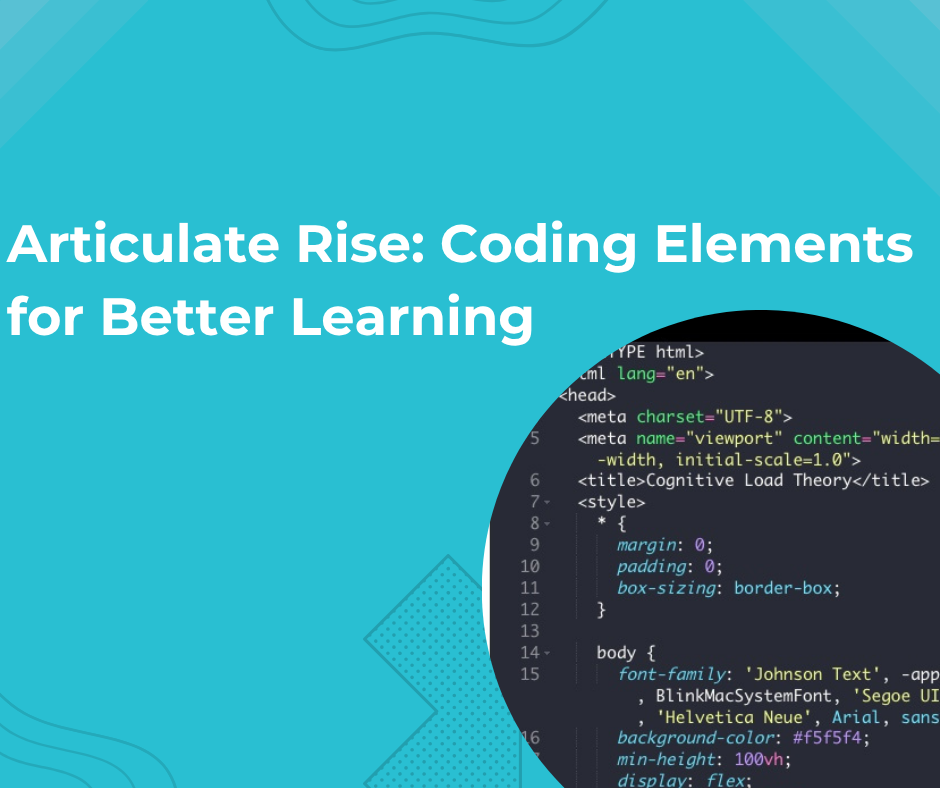
This section includes a selection of custom-coded interactive elements that I developed to elevate the learner experience within Articulate Rise courses. While Rise is a great tool for rapid, responsive online learning, its native block library occasionally hits a structural ceiling.
DISCLAIMER: I have exactly zero coding knowledge. This section is the product of willpower, paper scribbles, whiteboard mockups, collaboration with other IDs, and highly intense brainstorming sessions with AI tools. Every block here was brought to life by drawing what I wanted, visualizing the layout, and then politely asking an AI chatbot 47 times, "Okay, it looks great, but how do we get it to actually function like that?"
Scenario analyzer
I built this interactive case study for my employer's internal Complaint Intake Process training. To protect proprietary data and stay compliant, I rewrote the content, changing to a topic I frequently cover in my own workshops: intercultural competence.
This custom block was designed for the course's final lesson, as an application of learned content. In this example, learners are challenged to deconstruct a workplace scenario, identify specific communication styles, and decode hidden intents. The original lesson included a total of five distinct scenarios following this exact setup, pushing learners to analyze the material rather than just memorizing it.
Learning benefits of this activity
Knowledge application: It moves beyond simple recall, forcing learners to apply complex theories to realistic, nuanced workplace situations.
Encourages critical analysis: By breaking down five separate scenarios, learners must actively dissect linguistic markers and decode hidden intent.
The parallel dropdown matrix
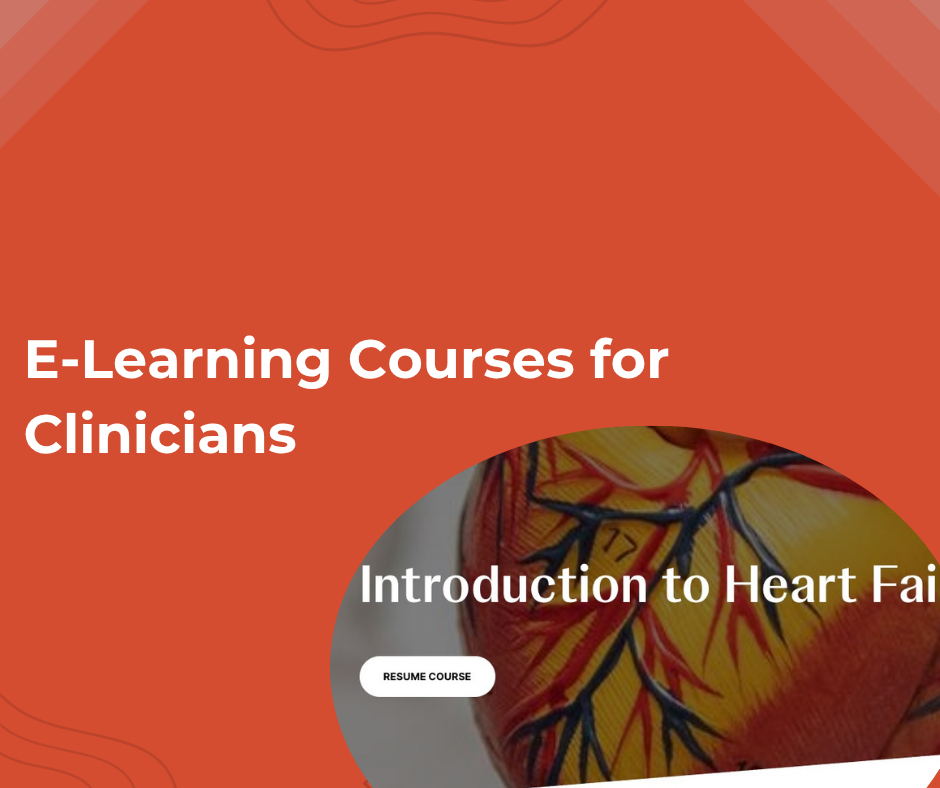
I developed this custom three-column interaction for a course on Heart Failure. When teaching closely related medical principles like cardiac determinants—Preload, Afterload, and Contractility—learners need to see them together to understand how they interact.
My primary goal was to allow side-by-side comparison while keeping the interface clean and digestible. As shown in the interaction, each column details a specific determinant, featuring an integrated red accordion button ("How it influences heart failure") that expands downwards to reveal deep clinical impacts without pushing the other columns off-screen.
Trivia quiz wheel
After my kids had an "Asia Project Week" at school where they learned about a new topic every day, I wanted a fun way to help them remember everything.
I took a spinner game from our team's shared pool of custom code blocks and changed it into a trivia quiz.
How it works: kids can spin the wheel to get a random number and answer questions about Asian food, flags, and animals.
Note: It's in German as it's their dominant language.
Learning benefits of this activity
Boosts retrieval practice: The randomized wheel forces children to actively recall facts from different topics covered throughout the project week, which strengthens long-term memory.
Increases engagement via gamification: Gamification and kids. Do I need to say more?
Provides instant formative feedback: Showing immediate corrections right after a choice is made helps clear up misconceptions on the spot, reinforcing the correct information.
Scenario-based interactive quiz
To help my psychology students understand how working memory works, standard quiz blocks in Rise just weren't enough. I wanted an interactive table where students could analyze real-world scenarios and decide which parts of memory (Phonological Loop or Visuospatial Sketchpad) are active or inactive.
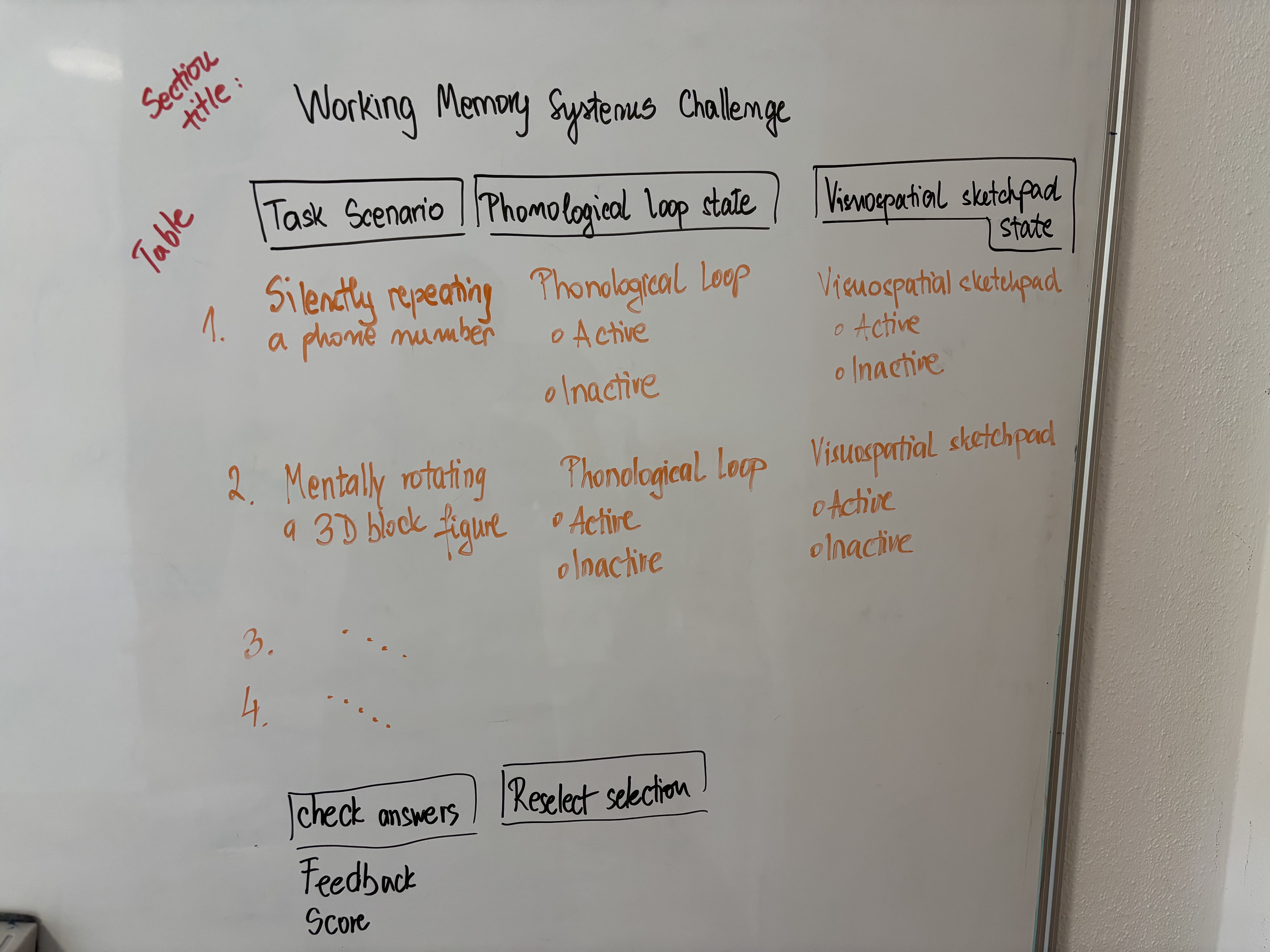
Finally, I was able to insert a fully interactive, custom radio-button matrix right into a Rise code block, making a tricky cognitive psychology concept easy and fun for students to practice.
Learning benefits of this activity
- Contextual knowledge application: The activity moves students from rote memorization to contextual application. By evaluating real-world situations—like navigating traffic or repeating a phone number—they learn how to apply abstract psychological theories to everyday life.
- Immediate feedback loop: The check-answer feature provides immediate formative feedback. This helps students quickly identify and correct their own misconceptions, reinforcing the right mental models on the spot.